Diesel and no-start calls
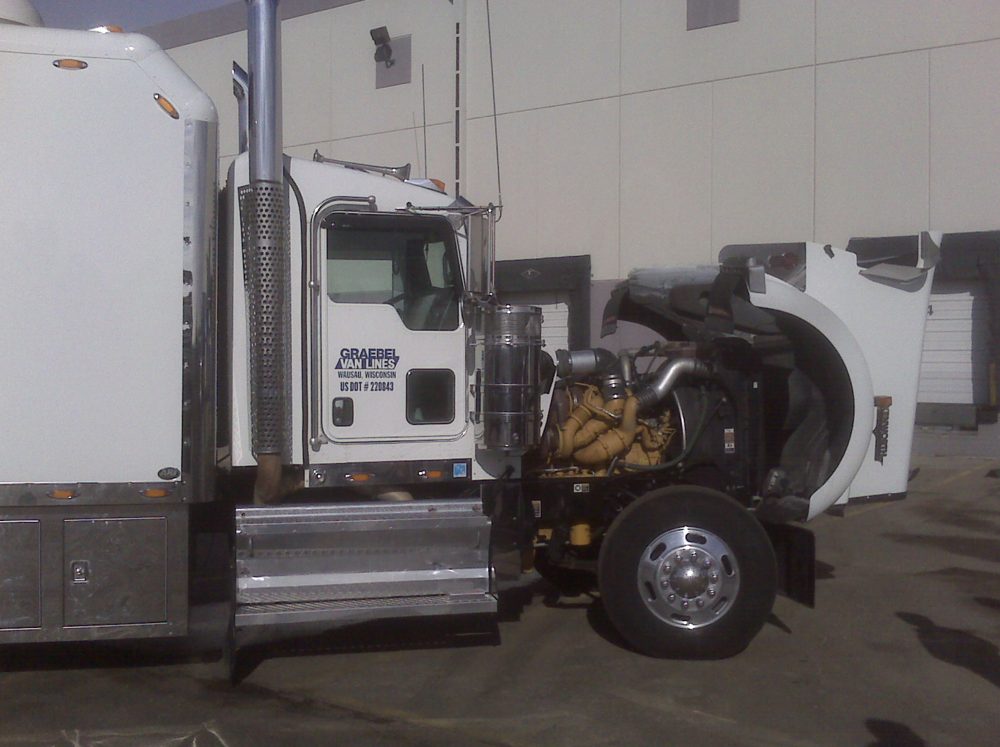
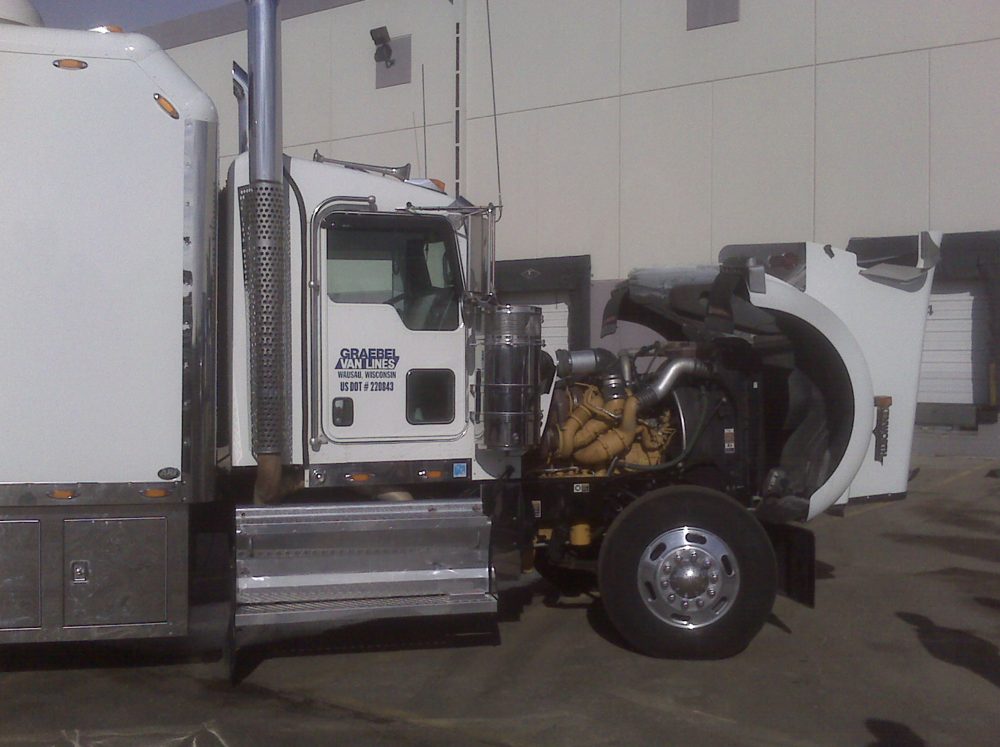
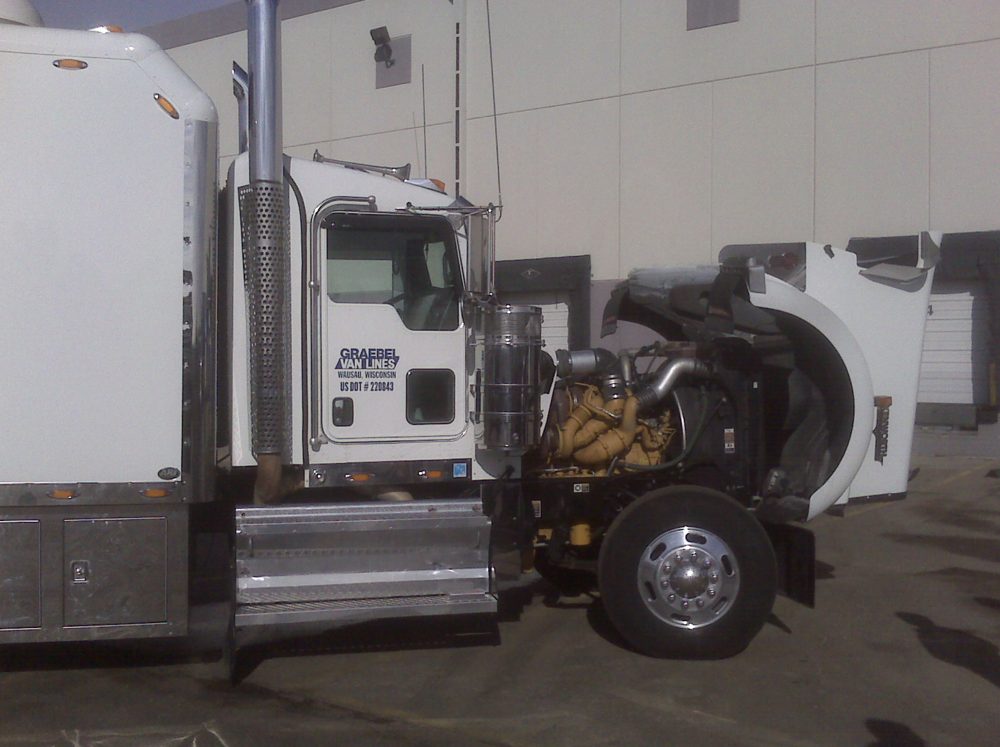
Scan first, test second, replace only what the numbers convict. Guess-and-swap is not a service.
Arlington sits in the middle of everything, which is great for freight and terrible for breakdowns. A truck that quits on I-20 at rush hour is not just late, it is trapped in the busiest triangle in Texas. Mr. Arlington Truck Repair works the Mid-Cities the only way that makes sense: the technician drives to the truck, whether it is in a Great Southwest Industrial District yard, a distribution dock off 360, or the shoulder where the entertainment district traffic finally won.
Diesel, brakes, trailers, tires, electrical, and scheduled fleet work. One call covers the middle of the Metroplex, and it gets answered by someone who knows why 360 at rush hour changes a repair plan.
I-20 across the south, I-30 across the north, 360 and 287 stitching them together. Add the Great Southwest Industrial District, one of the oldest and densest warehouse zones in the country, and you have our daily map. We can tell you from memory which GSW yards leave room for a service truck, which docks run their appointments tight, and which stretches of 360 punish a parked rig at 5 p.m.
Both downtowns are twenty minutes away and neither is the point. The freight lives in the middle, and so do we.
Symptom, location, load status, and whether the truck can move. From those four answers you get a probable cause, an honest on-site-or-shop verdict, and an arrival window quoted against actual Metroplex traffic, not wishful thinking.
Texas heat gets its own question from May through September: how long has it been sitting in the sun and what are the gauges saying. Cooked components change the parts list, and we would rather load the truck right the first time.
Scan first, test second, replace only what the numbers convict. Guess-and-swap is not a service.
Leaks chased, chambers and valves replaced, adjustment set to spec. Metroplex traffic is a brake torture test and we respect it.
Lights, air, doors, landing gear, and the seven-way circuits that quit at gate check time.
Radiators, hoses, thermostats, fans. The Texas summer specialty, diagnosed before it becomes an engine job.
Blowout changeouts and repairs at the truck, mate tire checked every time.
PMs and inspections grouped across your fleet, timed to beat the heat season and DOT week both.
The Great Southwest district runs on yard fleets and regional tractors that cannot afford shop-queue time. Our standing accounts get scheduled yard visits, per-unit histories, and a phone number that answers when a 4 a.m. load will not build air. One-truck operators get the same treatment without the paperwork.
Every call ends with a decision you can dispatch around: released, released with a flagged follow-up, or headed to a bay with the diagnosis already in hand.
Have eyes on the truck when you dial if you can. What we need fits on a sticky note, and a photo of the dash or the damage beats a paragraph of description.
That district is practically our home yard. Grand Prairie, the 360 corridor, and the warehouse belts on both sides of the Arlington line are all standard territory.
Yes, with honesty about timing. Event days change the map and we quote windows that account for it. If the truck is driveable to a quieter lot two blocks away, we will suggest exactly which one.
Stop. A hot-running diesel that keeps rolling turns a hose job into a head job. Park it somewhere safe, let it breathe, and call with what the gauges said. We will tell you honestly whether the drive can continue.
Freight in this triangle never stops and neither does the phone. Same triage at 3 a.m. as 3 p.m.
The middle is fastest, but we range both directions along 20 and 30. Call with the exit number and you will get a real answer, not a maybe.
Yes, and May is the month to book it. Batteries, cooling systems, belts, hoses, and tire condition across the yard in one visit. August thanks you.
Faster than almost anywhere, which is one quiet advantage of breaking down in a distribution hub. Common truck parts are stocked within a short drive in every direction, so a repair that would strand a truck overnight in open country often finishes the same afternoon here.
Yes. Half this triangle's freight moves in box trucks whose liftgates pick the worst moment to quit, usually with a pallet in the air. We handle the electrical, the hydraulics, and the switches in between, right at the dock.
Heat is the local predator. Batteries here die younger than the national average, belts and hoses age in dog years, and tires that left the Midwest healthy arrive with heat damage nobody sees until the blowout on the 360 interchange. From late spring we carry summer stock as a default: batteries, coolant components, and the belts that fail most.
The other constant is congestion mechanics. Stop-and-go on 20 and 30 cooks brakes and clutches, and idling in a two-hour backup finds every marginal cooling system. When we quote repairs here we factor the duty cycle the Metroplex actually imposes, because a part that lasts in open country dies young in this triangle.
Mobile repair lives and dies on what the service truck carries, so here is how we stock ours: by what the Metroplex actually breaks. Batteries and charging components year-round. Cooling stock heavy from May. Air system and brake parts always, because traffic here wears them without mercy. When a job needs a part we do not carry, we say so immediately and quote the real sourcing time, which in this distribution hub is usually measured in hours, not days. What you will not get is a truck-side wait while somebody figures out a plan they should have had before rolling.
The Great Southwest district runs on rhythm: trucks stage at night, load at dawn, and scatter across the Metroplex by eight. Our standing visits fit inside that rhythm. We arrive after staging, work the list while the yard is quiet, and leave a short written status per unit: what was done, what was flagged, what should be watched. Dispatchers plan the next week off that list, and the 4 a.m. emergency calls get rarer every month the rhythm holds.
New accounts usually start after one bad morning. The better ones start before it.
Freight in this triangle has nowhere quiet to break down. Every corridor is busy, every dock is scheduled, and every hour of truck downtime lands on somebody's dashboard in red. Mobile repair exists precisely for this geometry: the fix travels at traffic speed while the truck holds its spot, its load, and most of its schedule. The alternative is a tow across the Metroplex at the exact hours the Metroplex is least towable.
Inspection blitzes hit the Metroplex hard because the inspectors go where the trucks are. Ahead of the calendar we run yard sweeps on the classics: brake stroke, lighting, tires, air leaks, and the paperwork faults on the dash. An afternoon in your lot in spring beats an out-of-service order on I-20 in summer, and every dispatcher who has lived the second option schedules the first.
Exit, yard, or dock. Symptom and load. That is the whole intake, and it ends with a technician in traffic on your behalf.